
Can You Use Weatherproof Sealant on Roof Tiles?
Yes. A quality weatherproof sealant bonds well to concrete, clay, and terracotta roof tiles. It seals cracked tiles, caps fixing points, and closes the gaps along ridges and verges. The rule is simple: match the chemistry to the tile, prep the surface properly, and apply in a dry window. Get those three right and the bead holds for years. Skip them and even the best tube fails within a season.
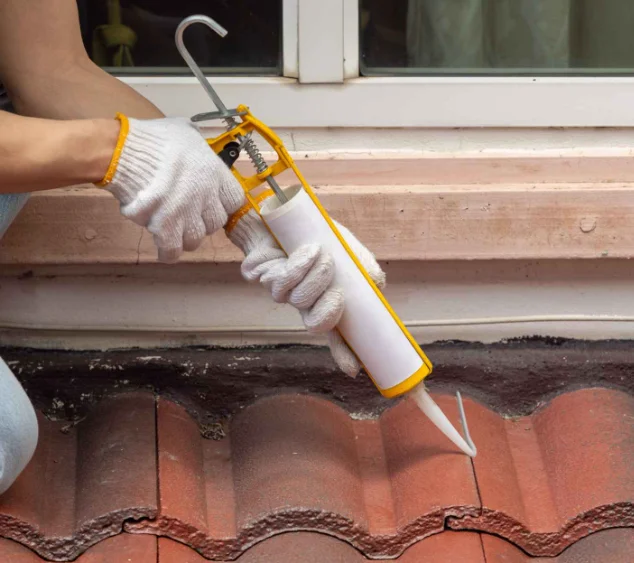
Using Weatherproof Sealant on Roof Tiles
Which Tiles Take Sealant Best
Concrete and clay tiles are porous. They need a sealant that grips and flexes. A neutral-cure silicone or a hybrid MS polymer sealant works on both, plus metal ridge caps and fibre cement. Avoid acidic cure products on concrete and limestone tiles. The acid attacks the surface. Glazed tiles are a special case. The sealant bonds to the glaze, not the body. Test a small patch first and scuff the bond area lightly.
Surface Prep and Bead Method
Roof dust kills adhesion faster than any other fault. Follow this sequence:
- Clean: brush away dust, moss, and lichen. Degrease any patched area and let it dry.
- Dry: allow 24 to 48 hours of dry weather before application. A damp tile traps moisture under the bead.
- Seal: run a 5 to 8 mm bead over the crack or joint. Tool it flat so it bridges the edges. For hairline cracks, press the sealant in rather than painting it over.
- Cure: keep rain off the bead for 24 hours minimum. Check the tube for the exact window.
Weather and Temperature Windows
Apply between 5°C and 40°C on an overcast day. Hot tiles skin the sealant before it wets the surface, and the bond turns weak and chalky. Cold nights slow the cure and invite dew onto an unset bead. Never apply if rain is forecast within 24 hours. Emergency leaks during a storm need a wet-surface repair product. Once the roof dries out, run a permanent weatherproof sealant bead.
When Sealant Is the Wrong Fix
A bead stops water at small, stable defects. Three cases need real repairs first:
- Structural cracks: a tile cracked through the body will keep moving. Replace the tile, then seal the joint.
- Widespread porosity: whole roofs past their prime need a penetrating tile sealer, not spot beads.
- Underlayment failure: water tracking inside the roof space means the membrane, not the tiles, has failed.
The working summary: yes, weatherproof sealant belongs on roof tiles. Clean and dry the surface. Keep the bead at 5 to 8 mm, tool it flat, and give it 24 rain-free hours. Replace broken tiles before sealing, and treat the bead as part of a yearly roof check. Timing a job? See how long weatherproof sealant takes to dry before scheduling foot traffic or rain exposure.
Related Products
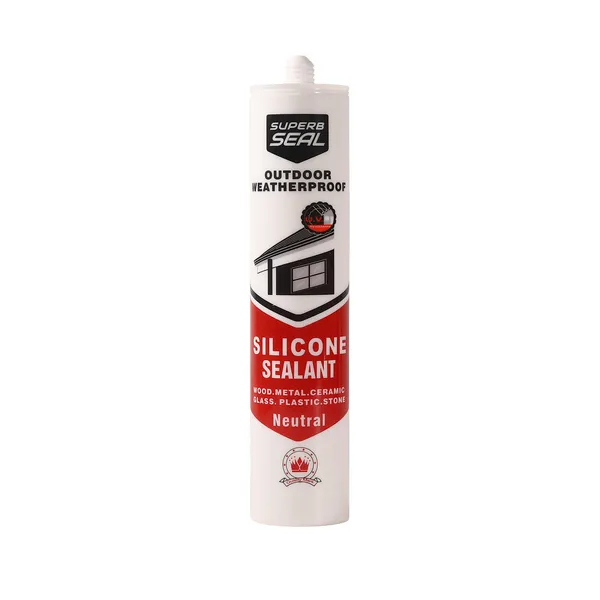 Weatherproof Sealant |
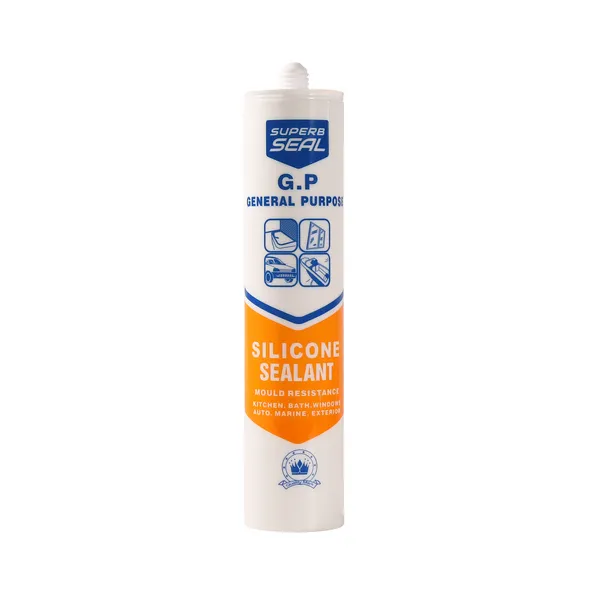 General Purpose Silicone Sealant |