
High Grab Adhesive or Screws for Skirting Boards: Which Is Better?
High grab adhesive beats screws for most interior skirting runs. It holds 200 to 400 kg/m² on timber, MDF, and plaster. It leaves no visible fixings and takes half the time of drilling. Screws stay the right choice for heavy hardwood, crumbling plaster, and runs above radiators. This comparison breaks down both methods so you pick the right fixing on the next job.
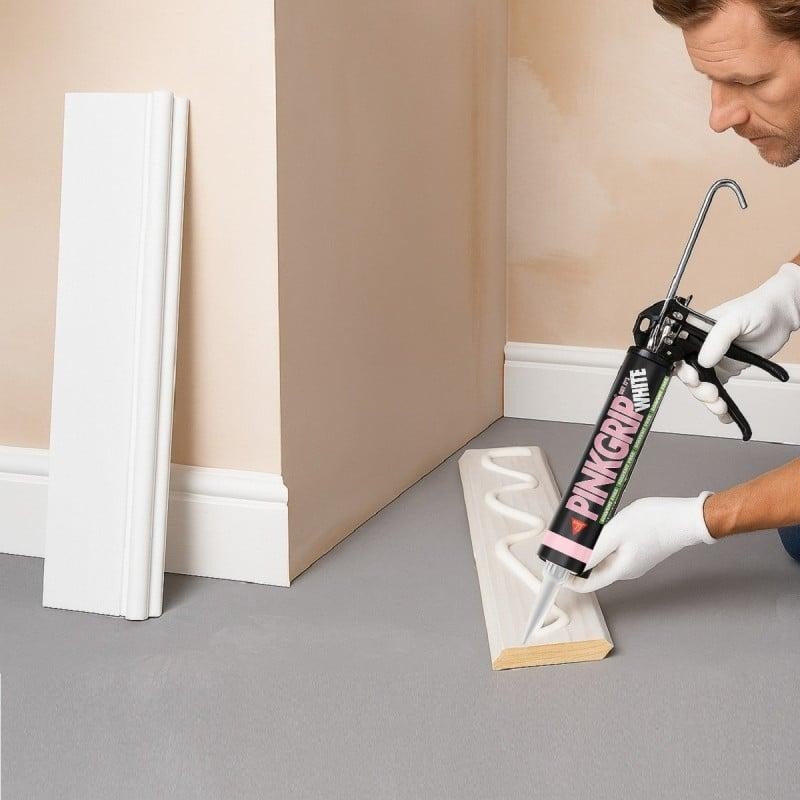
High Grab Adhesive vs Screws for Skirting Boards
Speed and Finish
A high grab adhesive wins on speed. Run a bead along the board back. Press it to the wall for 30 seconds and the run stays put. No drilling, no plugs, no filler, no touch-up paint. The finish stays clean because nothing breaks the surface. Screwing a 4 metre run takes 20 minutes or more. That count includes marking, drilling, filling, and repainting. Adhesive cuts it to under 5 minutes. Mitres also stay closed because the board floats on a full bond line.
Holding Strength
Quality adhesive delivers instant grab of 200 to 400 kg/m². That figure comes from manufacturer data checked October 2026. A standard 3 metre MDF skirting weighs 2 to 3 kg. One bonded board therefore carries a safety margin of hundreds of times its own weight. Screws score higher on peak load, but skirting boards rarely face peak loads. They face slow creep, timber movement, and knocks from feet and vacuum cleaners. The cured adhesive bead flexes with expansion. Rigid fixings instead crack the plaster around them.
Wall Damage and Repair
Screws damage the wall three times. First the drilled hole. Then the plug burst. Finally the filler patch that never matches the paint. Removing a screwed board for rewiring rips the patch open again. Adhesive peels off with a scraper and a length of fishing line. The wall needs only light sanding before the new board goes on. For rented properties and rooms due for rewiring, this alone settles the argument.
When Screws Still Win
Adhesive covers most interior runs. Three cases still need mechanical fixings:
- Heavy hardwood: solid oak above 5 kg per metre needs a few lost-head screws as well.
- Weak substrates: flaking paint or blown plaster must be cut back first. The bond fails with the surface layer otherwise.
- Heat sources: runs above radiators creep as the wall cycles hot and cold. An MS polymer sealant holds grip better there, but add fixings too.
The working verdict is simple. Use high grab adhesive for standard MDF and pine runs. Keep screws for heavy boards, weak walls, and high-heat spots. Whichever method you choose, wipe dust and grease off the board back first. Press within 5 minutes and keep the room out of use for 24 hours. After full cure at 48 to 72 hours, seal the top edge with a general purpose silicone sealant in kitchens and bathrooms.
Related Products
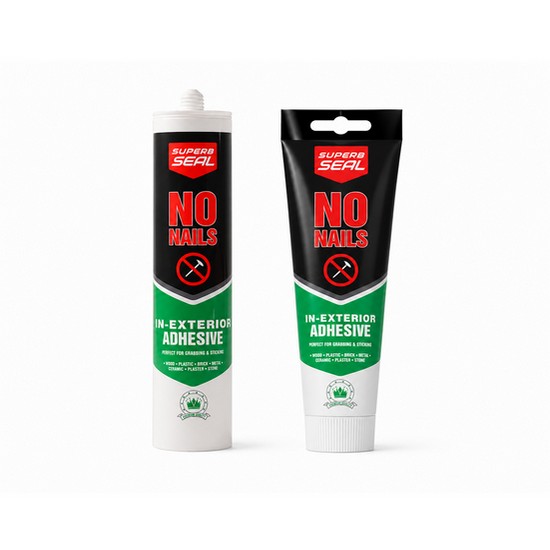 No More Nails High Grab Adhesive |
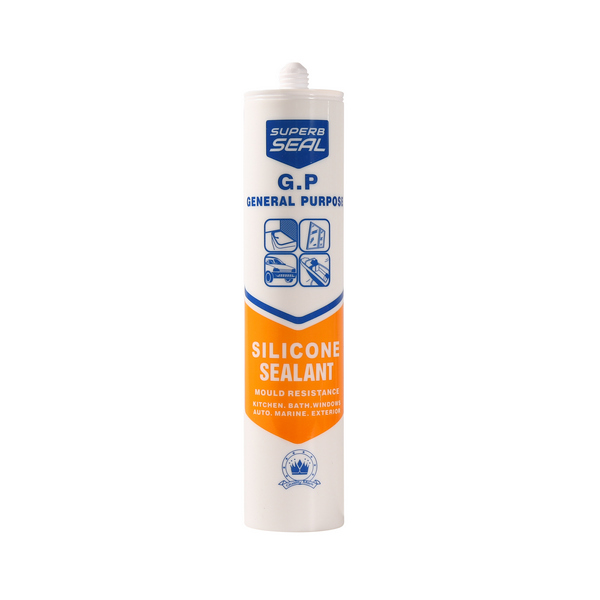 General Purpose Silicone Sealant |