
Can You Use Mastic Inside Duct?
Leaky air ducts are a major culprit behind energy waste, often losing 20% to 30% of conditioned air through unsealed gaps. While HVAC duct sealant (mastic) is the gold standard for fixing these leaks, a common question arises: Can you apply mastic inside the ductwork to seal it from within?
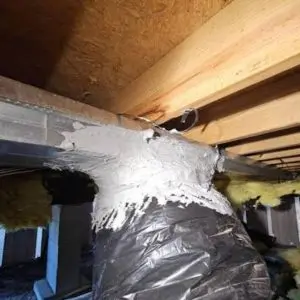
The Short Answer: No (With Key Exceptions)
For 95% of applications using standard brush-on or caulk-grade duct sealant, the answer is a firm no. Standard mastic is strictly engineered for exterior application. While professional contractors use specialized, automated aerosol systems for interior sealing, manual interior slathering is highly discouraged.
Why Manual Mastic Belongs on the Exterior
1. Indoor Air Quality (IAQ) Risks: Wet mastic releases volatile organic compounds (VOCs) and vapors as it cures. Applying it inside means these chemical odors are introduced directly into the supply airstream, blowing contaminants into occupied spaces.
2. Airflow Resistance & Turbulence: Manual brushing leaves a bumpy, rough interior texture. This creates micro-turbulence, increasing the friction coefficient inside the duct. Your blower motor works harder, reducing HVAC efficiency.
3. The Dust and Mold Trap: Duct Mastic takes 12 to 24 hours to cure. If the system runs while it is tacky, air velocity turns the duct interior into flypaper, trapping dust, pet dander, and allergens—creating a breeding ground for biological growth.
| Method | Area | Material | Best For |
|---|---|---|---|
| Manual Sealing | Exterior | Liquid Mastic + Fiberglass Mesh | Accessible joints and sheet metal seams. |
| Aerosol Sealing | Interior | Atomized vinyl acetate particles | Inaccessible ductwork hidden behind walls. |
The Proper Way to Apply Mastic
- Clean: Wipe the outer joints to remove all dirt and oil so the adhesive bonds correctly.
- Bridge: Use fiberglass mesh tape over seams wider than 1/4 inch to act as a supportive skeleton.
- Seal: Brush mastic generously over the tape, applying it roughly the thickness of a nickel.
Conclusion
To avoid air pollution and structural turbulence, always keep manual duct mastic on the outside. Proper exterior application provides an airtight, energy-efficient system with zero health risks.
Are you looking for high-performance industrial adhesives and certified duct sealants? Contact our technical team today for bulk sourcing, custom formulations, and OEM inquiries.