
How Long Does High Grab Adhesive Take to Dry and Cure?
A high grab adhesive dries to a handling state in 20 to 30 minutes. It reaches full cure in 24 to 72 hours at 20°C and 50% relative humidity. Grip builds in two stages. The initial grab holds the component within minutes. The cure then develops the long-term load capacity. Knowing which stage the bond is at decides when you can release bracing on a skirting board.
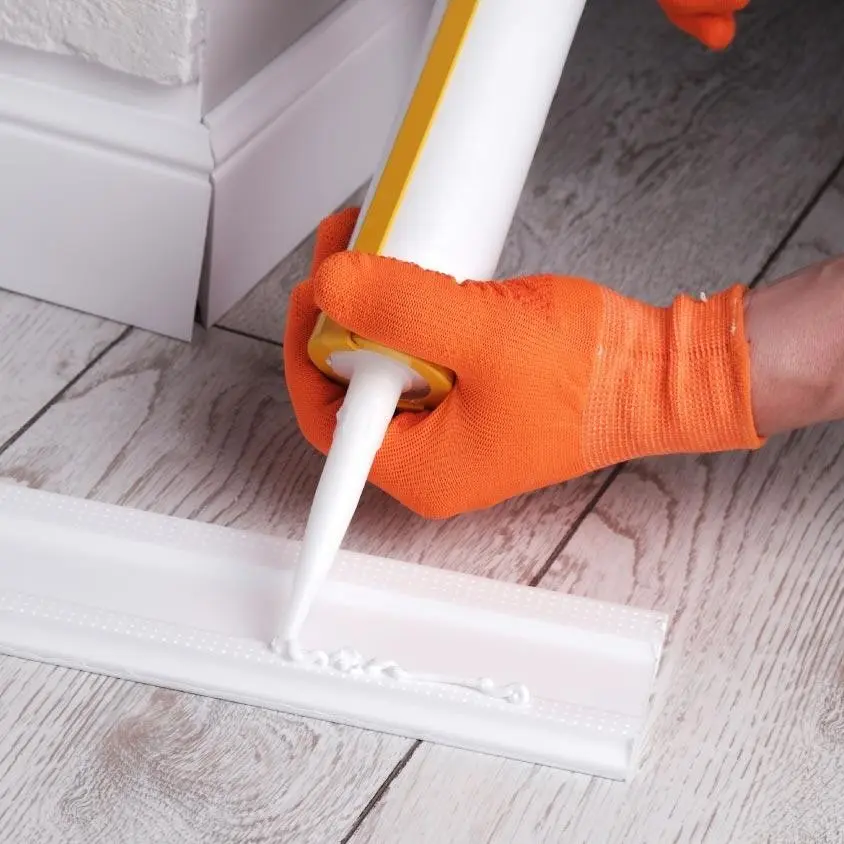
Dry Time vs Cure Time: The Two Numbers That Matter
Dry and cure are not the same event. The adhesive dries when the carrier leaves the bead and the surface stops feeling tacky. It cures when the polymer mass hardens through its full depth. Only then does the joint reach the shear strength listed on the data sheet. A bead can be dry on the surface yet still soft inside. The rated holding power does not exist until the cure window closes.
Initial Grab: The First 20 Minutes
Quality high grab adhesive delivers instant grab of 200 to 400 kg/m² on porous substrates. That figure comes from manufacturer data sheets, checked September 2026. Press the component firm for 30 seconds and it stays without mechanical support. On a standard skirting board run, you can move to the next length within a minute. Keep indoor temperatures above 10°C. Below that, the initial grab weakens and you will need temporary bracing.
Handling Strength: The First 24 Hours
Within 24 hours the bond develops roughly half of its final strength. A 5 mm bead on absorbent substrates cures from the outside in. Plaster, MDF, and bare timber all pull moisture from the bead and speed up hardening. During this window you can remove clamps and hang lightweight trims. Do not load the joint with heavy panels or shelving yet. Early loading is the top cause of creep failure on warranty callbacks.
Full Cure: 48 to 72 Hours
Full cure takes 48 hours on porous substrates. On dense, non-porous surfaces such as glazed tile or painted metal, allow up to 72 hours. The difference comes down to moisture exchange. Porous surfaces draw the carrier out through the back of the bead. Sealed surfaces only let it escape through the exposed face. A thick 10 mm bead behind a heavy panel can take a full week to cure through the center. Respect the data sheet limits on maximum bead thickness before you spec it for dead-load work.
Site Conditions That Change the Timeline
Three variables move the cure window:
- Temperature: every 8°C drop roughly doubles the cure time. A joint that cures in 48 hours at 20°C needs four days at 12°C.
- Humidity: water-based formulas cure faster in dry air. MS polymer and hybrid types need ambient moisture and slow down below 40% RH.
- Bead size: cure time scales with bead thickness, not length. Two thin beads beat one fat bead on both grab and cure speed.
For joints that must take load immediately, pair the grab adhesive with a general purpose silicone sealant at the perimeter. Where the substrate is glass or glazed ceramic, a dedicated MS polymer sealant bonds without primer and keeps its flexibility through the cure.
The working answer: dry in 20 to 30 minutes. Handling strength in 24 hours. Full cure in 48 to 72 hours. Follow the TDS bead limits, keep the site warm, and hold off loading heavy work until the cure window closes.
Related Products
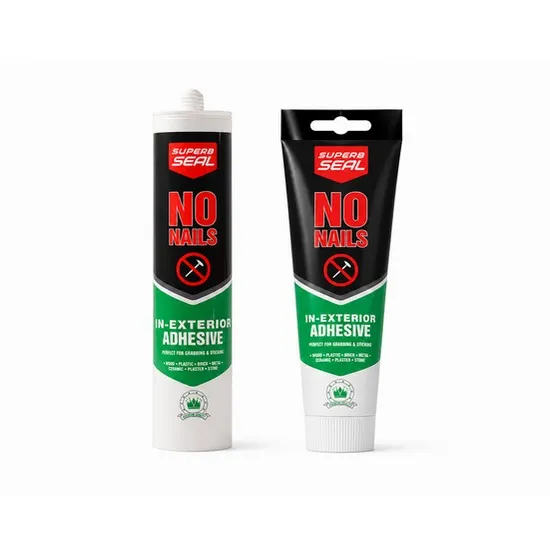 No More Nails High Grab Adhesive |
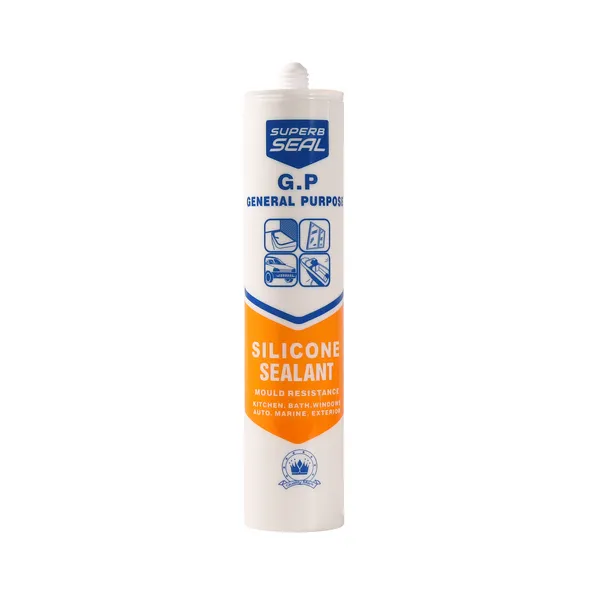 General Purpose Silicone Sealant |