
How Long Does Acrylic Caulk Take to Dry Before Painting?
Most acrylic caulk is paint-ready in 2 to 4 hours and fully cures within 24 hours. Dry to the touch is not dry through the bead. Paint over a soft core and the film cracks, wrinkles, or peels as the caulk keeps shrinking underneath. A standard 6 mm bead in a warm, dry room hits that window. A thick bead in a cold, damp room can take twice as long. This guide gives the real numbers, the checks painters trust, and three errors to avoid.
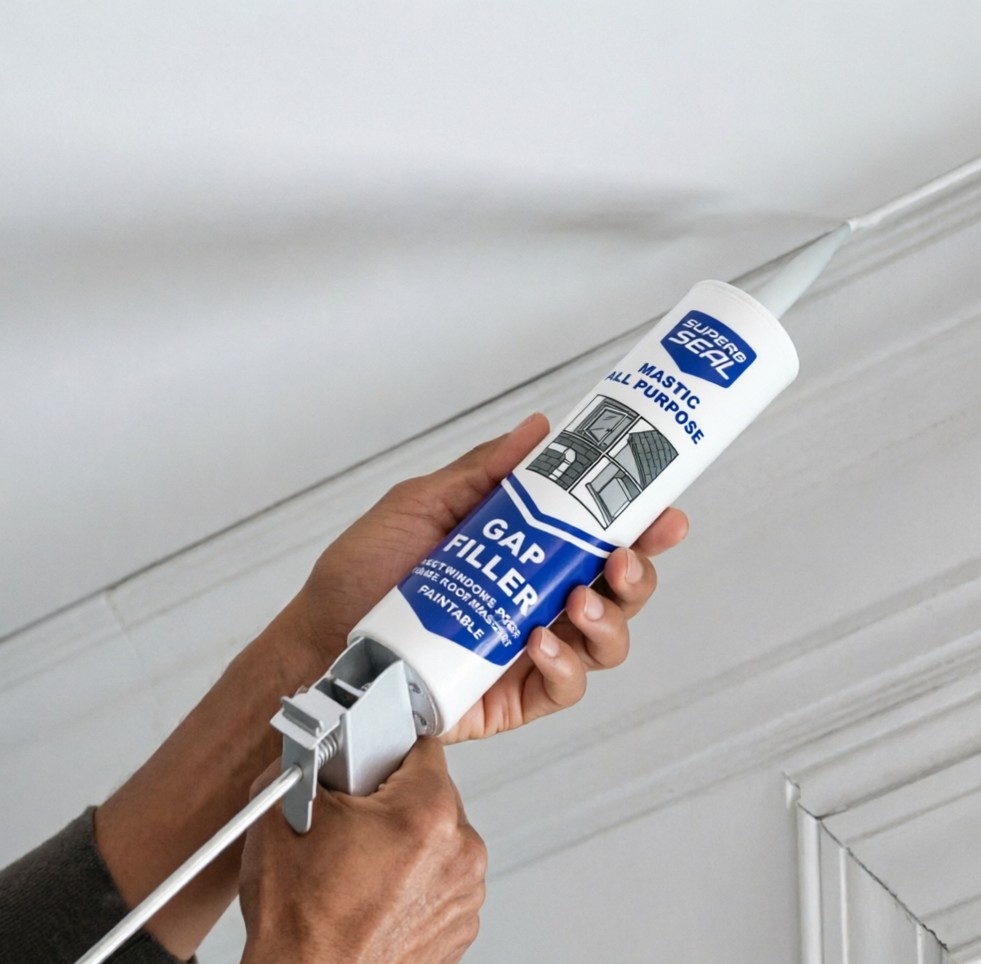
Acrylic Caulk Dry Times: What to Expect
Dry Time vs Cure Time
Three stages matter on a fresh bead. Skin time hits first, usually 20 to 30 minutes. The surface stops smearing, but the core stays soft. Paint-ready follows at 2 to 4 hours, when the outer layer holds a coat without splitting. Full cure lands near 24 hours for a 6 mm bead, when the whole joint turns firm and stops shrinking. You can paint at stage two. The bead keeps moving until stage three. Rushing that gap causes the fine spider-web cracks you see along new trim. DAP lists the same 2-hour paint window for acrylic latex in its technical FAQ, checked November 2026.
What Speeds Up or Slows the Wait
Water-based acrylic caulk dries by evaporation, so the room controls the clock. Four factors do most of the work:
- Temperature: below 10°C, plan on double the label time. Warm air near 20°C keeps the bead on schedule.
- Humidity: damp air slows evaporation and leaves a bead tacky for hours. Run a fan across the room, not at the joint.
- Bead depth: never bury a solid bead deeper than 12 mm. Push in a foam backer rod first, or the centre stays soft for days.
- Product type: quick-dry formulas take paint in 30 to 45 minutes. Siliconized acrylic caulk needs 4 to 6 hours.
These figures come from painter trade data checked November 2026. Pure silicone behaves the opposite way, since damp air speeds its cure and no paint sticks to it.
How to Tell the Bead Is Ready for Paint
Painters do not trust the clock alone. Run three quick checks before you lift the brush:
- Read the tube: the label overrides any rule of thumb. Match it to the bead you laid.
- Press a hidden spot: push a thumbnail into the centre. If the dent springs back within five seconds, the core is firm. If it stays soft, wait.
- Check the surface: a glossy or tacky bead still holds water. A uniform matt finish means you can coat it.
A few extra hours cost nothing. Scraping out a cracked joint and starting again costs a whole return visit.
Three Mistakes That Crack Fresh Paint
Most ruined finishes trace back to one of three errors:
- Painting too soon: trapped water lifts the film while the joint shrinks beneath it.
- Overfilling the gap: beads over 12 mm shrink hard and split. Use backer rod on deep joints.
- Coating the wrong sealant: paint beads off pure silicone. Strip it and re-seal with a paintable acrylic caulk instead.
For gaps that need paint and movement, use a hybrid. An MS polymer sealant takes a topcoat and still flexes. Keep a general purpose silicone sealant for wet areas only, where acrylic caulk will fail.
The working summary: give acrylic caulk 2 to 4 hours before paint and a full 24 hours before you call it cured. Keep beads under 12 mm, press-test a hidden spot, and never coat silicone. Still picking a product? Read acrylic caulk vs silicone before you buy.
Related Products
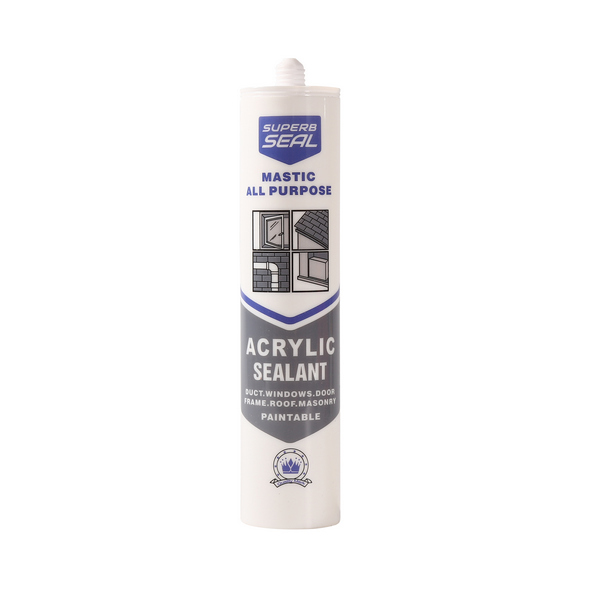 Acrylic Caulk |
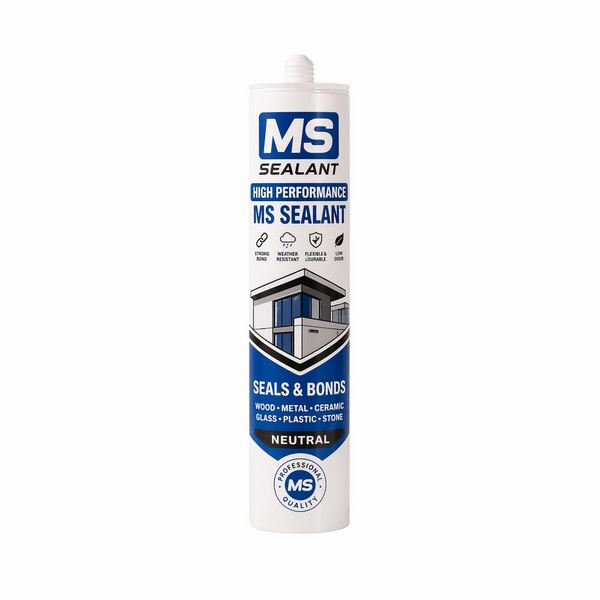 MS Polymer Sealant |