
Acrylic Caulk vs Silicone: Which Sealant Should You Use?
Use acrylic caulk for interior gaps you plan to paint, and silicone for wet areas and joints that move. That one rule settles most jobs. Acrylic caulk is water-based, paintable, and cleans up with a damp cloth. Silicone stays flexible and waterproof, but paint beads off it. This guide shows where each product earns its place, with real dry times and the three mistakes that ruin a fresh bead.
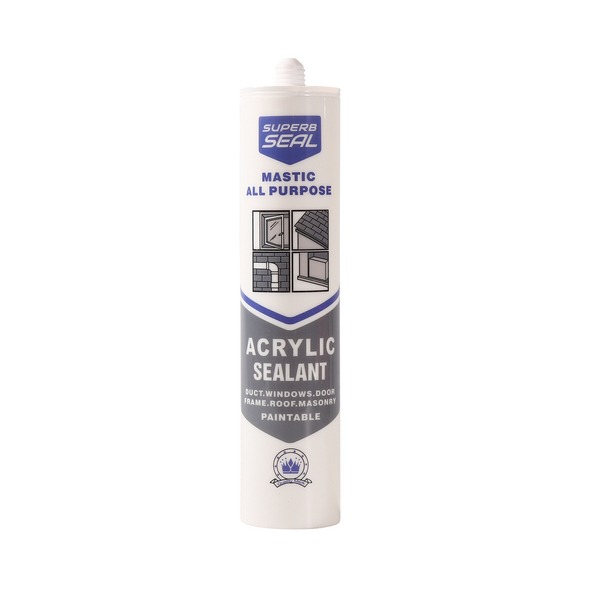
Acrylic Caulk vs Silicone: How to Choose
Where Acrylic Caulk Wins
Paintability is the whole point of acrylic caulk. It takes latex paint within a few hours and sands smooth, so the joint disappears into the trim. Use it on skirting boards, crown moulding, window casings, door frames, and dry interior wall cracks. These joints barely move, which suits a stiffer, water-based bead. Cleanup needs only water, and the low odour suits occupied rooms. A standard tube covers roughly 17 metres of a 6 mm bead, per manufacturer data checked November 2026.
Where Silicone Wins
Reach for a general purpose silicone sealant wherever water sits or the joint flexes. Showers, tub surrounds, kitchen splashbacks, and exterior window perimeters all need a waterproof bead that handles movement. Quality silicone absorbs joint movement of up to 25 percent, so it survives seasonal expansion without tearing. Standard acrylic manages only 7 to 12 percent. The trade-off is simple: pure silicone refuses paint, so keep it off any surface you plan to coat.
Drying and Painting Times
Acrylic caulk skins in 20 to 30 minutes and takes paint after 2 to 4 hours. It cures fully within 24 hours. Silicone needs 24 to 48 hours before water exposure. Those figures come from painter trade data checked November 2026. High humidity slows acrylic down, while cold air below 10°C slows both products. Never bury a bead deeper than 12 mm. Push in a foam backer rod first, because a deep solid bead can take days to cure through the centre. Painting over soft caulk causes the fine cracks you see along fresh trim.
Three Mistakes to Avoid
Most failed beads trace back to one of three errors:
- Acrylic in a shower: constant water breaks it down in 6 to 18 months. Use silicone there instead.
- Paint over pure silicone: the coating beads up and peels. Strip it and re-seal with paintable material.
- New caulk over old: failed sealant gives a weak bond. Scrape the joint clean and start again.
For joints that need both paint and movement, a hybrid MS polymer sealant bridges the gap. The working summary: match the product to the joint, not the price. Pick acrylic caulk for dry, painted interior trim. Pick silicone for wet and moving joints. Let each bead cure on its own schedule before paint or water touches it.
Related Products
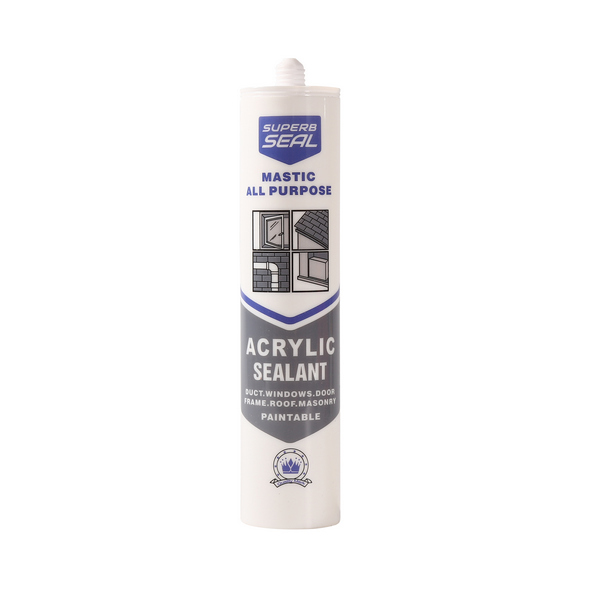 Acrylic Caulk |
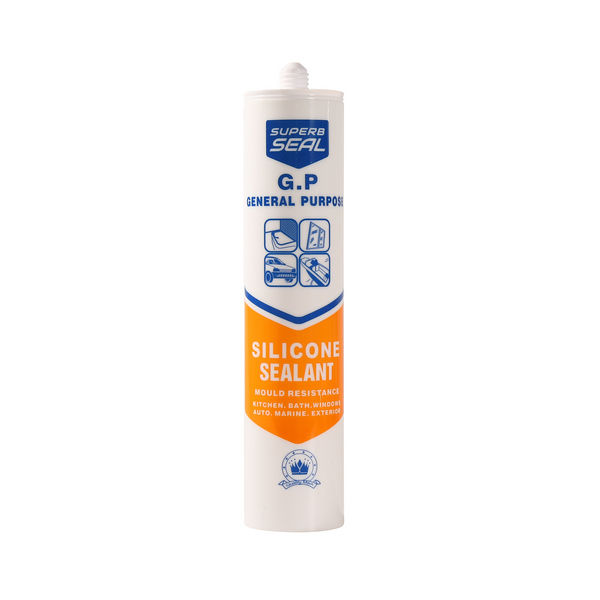 General Purpose Silicone Sealant |