
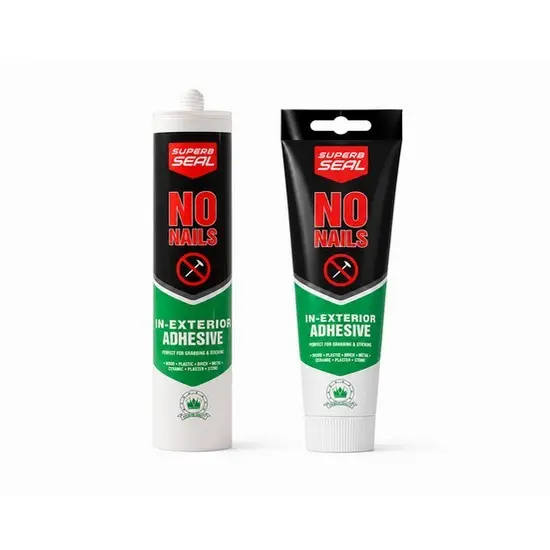
How to Remove No More Nails / Liquid Nails?
No More Nails and Liquid Nails create bonds strong enough to replace screws in many fixings. That strength becomes a problem when you need to separate materials or clean a surface for reuse. Ripping the parts apart risks tearing drywall, splintering timber, or marking finished surfaces. The right approach softens the adhesive first, then removes it mechanically without damaging what is underneath.
Step-by-Step Removal Process
1. Soften the adhesive bond
Heat weakens hybrid and solvent-based construction adhesives quickly. Hold a heat gun or hair dryer 15 to 20 cm from the bond and move it steadily. Keep the surface below 120°C to avoid paint blistering or plastic warping. After two to three minutes, test a corner with a thin scraper. If the bead starts to give, you are ready to cut.
2. Cut and scrape away bulk residue
Slide a sharp utility knife or a long-blade scraper along the joint. Cut through the bead rather than prying the materials apart. Work slowly and change blades when the edge dulls, because a blunt blade digs into the substrate. For large panels, score the adhesive in sections and remove each strip separately. This controlled method protects both surfaces and reduces repair time later.
3. Lift remaining spots with solvent
Some residue will stay behind, especially on porous materials. Apply a small amount of mineral spirits, citrus-based adhesive remover, or isopropyl alcohol to a cloth. Dab the spot and let the solvent sit for five minutes. Rub gently with a nylon pad or fine steel wool. Always test the solvent on a hidden area first, particularly on painted or varnished finishes. Proper ventilation and gloves are essential when working with solvents indoors.
4. Clean and restore the surface
Wipe the area with warm soapy water to remove any oily film. Sand timber lightly with 120-grit paper to prepare it for paint or a fresh adhesive application. On non-porous surfaces, a final wipe with denatured alcohol leaves the substrate ready for the next bond. If you plan to reattach an item, consider a flexible option such as MS Polymer Sealant for exterior or movement-prone joints.
What Not to Do
Avoid forcing the pieces apart with a crowbar or hammer. The sudden load tears drywall paper, cracks tiles, and splits wood. Do not pour aggressive solvents directly onto plastics or painted walls without testing. And never use a blowtorch indoors; the flame hazard outweighs any speed gain.
Final Thoughts
Removing No More Nails or Liquid Nails takes patience, heat, and the right solvent. Contractors who follow this sequence keep substrates intact and avoid unnecessary rework. For stone or tile repair after removal, Marble Glue offers a strong, clean repair before the final installation.