
What Is Common Mistake in Ductwork Installation?
The Five Ductwork Errors That Cost Contractors Money and Reputation
Ductwork installation looks straightforward. Cut the pipe, connect the sections, run the system. Yet HVAC contractors lose thousands of dollars each year on callbacks, failed inspections, and leaky systems—all because of avoidable installation mistakes. This article covers the five most common errors we see in the field and how to fix them before they become your problem.
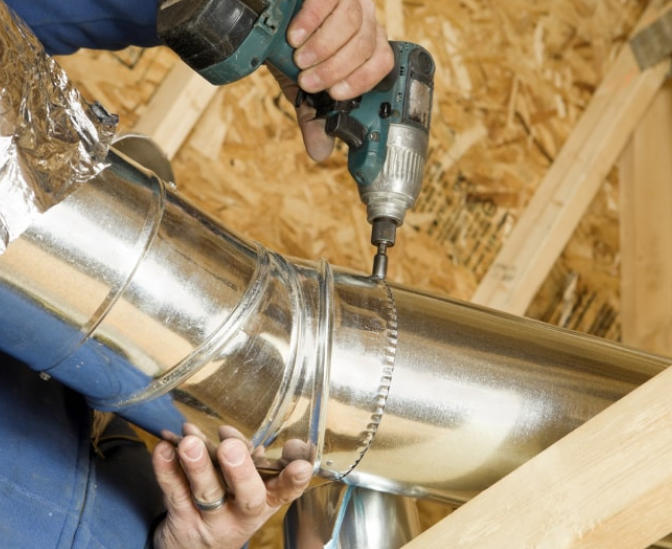
Skipping Joint Sealing at Transverse Connections
The single biggest source of duct leakage happens at transverse joint connections. Many installers rely on mechanical fasteners alone—screws, rivets, or snap-lock fittings—and assume the metal-to-metal contact creates a sufficient seal. It does not. Even tightly fitted duct sections shift under vibration and thermal cycling. Air escapes through micro-gaps between corrugated edges. Studies show that unsealed transverse joints account for up to 70% of total duct system leakage in residential installations.
The fix is simple. Apply a continuous bead of duct sealant to every transverse connection before fastening. The sealant fills the corrugation valleys and maintains flexibility as the duct expands and contracts. One tube covers roughly 15–20 linear feet of 6-inch diameter duct. Factor that into your material estimate.
Using the Wrong Sealant for the Application
Not all duct sealants perform equally across every application. Water-based mastic dries rigid and cracks when ductwork experiences thermal movement. Silicone-based products offer better flexibility but may not bond well to galvanized surfaces without a primer. Acrylic caulks lack the temperature resistance required for supply-air plenums operating above 140°F.
Contractors must match the sealant chemistry to the operating conditions. For standard HVAC ductwork in conditioned spaces, a palduct sealant formulated specifically for flexible and rigid duct connections delivers consistent results across temperature ranges from -40°F to 250°F. Read the technical data sheet before you buy. The ten minutes you spend reviewing specs prevents a six-month callback.
Ignoring Thermal Expansion and Contraction
Metal ductwork expands when heated and contracts when cooled. A 20-foot run of galvanized steel duct can lengthen by nearly half an inch between a cold startup and full operating temperature. If installers rigidly anchor both ends without allowing for that movement, the duct buckles, joints separate, and seals fail.
Design expansion joints into long straight runs—typically every 30 to 40 feet for rectangular duct and every 50 feet for round. Use slotted hanger rods or floating connection hardware at one end of each section. This small detail eliminates stress concentration at sealed joints and extends the service life of your installation by years.
Rushing Cure Time Before Pressure Testing
Pressure testing immediately after sealing is the fastest way to invalidate your own work. Most duct sealants require 24 to 72 hours to reach full cure depending on temperature, humidity, and bead thickness. Testing before the sealant has cross-linked gives false leak readings and forces rework.
Check the manufacturer’s cure schedule. Plan your inspection timeline accordingly. If the project demands faster turnaround, select a rapid-cure duct sealant formulation designed for same-day testing. The premium per tube is far less than the labor cost of returning to reseal and retest a failed system.
Neglecting Access Panel Gaskets
Access panels receive less attention than main duct runs, yet they generate disproportionate complaint calls. Panels warp. Gaskets compress unevenly. Latch hardware loosens over time. The result: audible air whistling, energy loss, and occupant complaints that land on your desk.
Install compression gaskets on every access panel—not foam tape, not silicone caulk, but engineered gasket material rated for repeated open-close cycles. Torque latch screws to the specification. Verify panel flush after final installation. These steps take five minutes per panel and eliminate the majority of access-point-related service calls.
Bottom Line
Ductwork mistakes are preventable. Seal every joint. Match your sealant to the job conditions. Account for thermal movement. Respect cure times. Gasket your access panels. Follow these practices and your duct installations pass inspection on the first try, hold pressure through the warranty period, and keep your phone quiet on weekends.