
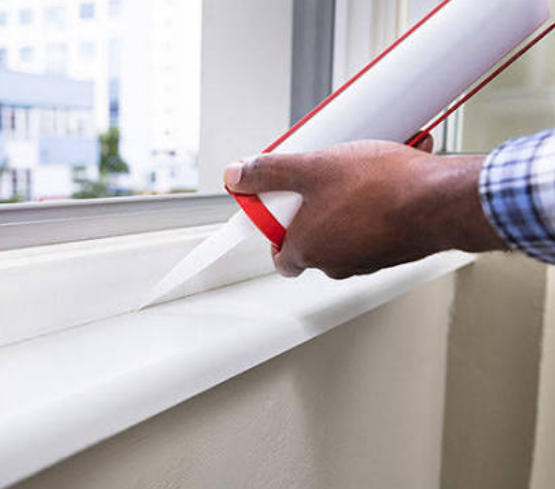
How Long Does Weatherproof Sealant Take to Dry?
Weatherproof sealant feels dry to the touch long before it can hold out water. That gap between “dry” and “cured” is where most window and door leaks start. A bead that looks finished can still wash out in the first storm if you open the site too early. This guide gives you the real timelines: skin-over, rain-ready, paint-ready, and full cure. For a general-purpose option for window and door frames, see General Purpose Silicone Sealant.
Drying Time vs Curing Time
Drying means the surface has skinned over and no longer feels tacky. Curing means the whole bead has reached final strength and waterproofing. Most weatherproof sealants skin over in 30 minutes to 3 hours. Full cure takes anywhere from 24 hours to 14 days, depending on the chemistry. Dry does not mean watertight.
When the Joint Sheds Rain
Most exterior sealants resist light rain 2 to 4 hours after application. That is enough for drizzle, not for a driving storm against the joint. On exposed window perimeters and door thresholds, plan the work around the forecast. Give the bead at least 24 hours of dry weather before heavy rain arrives.
When You Can Paint Over It
Acrylic and siliconized acrylic sealants accept paint 2 to 24 hours after application. Waiting a full day avoids shrinkage cracks in the paint film. Pure silicone never takes paint, so choose the bead color before you apply it. If the joint needs both weather protection and a painted finish, a hybrid MS Polymer Sealant gives you both.
Cure Times by Sealant Type
Each chemistry cures on its own clock. Silicone reaches full cure in about 24 hours and handles wet areas well. Polyurethane needs 24 to 48 hours and suits high-movement exterior joints. Hybrid and MS polymer formulas cure in 24 to 72 hours with strong flexibility. Siliconized acrylic is the slowest at 3 to 7 days, but it is the easiest to paint and tool. For interior trim and gaps that need painting, Acrylic Caulk remains the standard choice.
What Speeds Up or Slows Down Curing
Temperature and Humidity
The ideal window sits between 4°C and 27°C. Cold slows every cure type, and extreme heat can crack the surface before the core sets. Moisture-cured chemistries such as silicone and MS polymer cure faster in humid air. Water-based acrylic does the opposite and dries slower.
Bead Depth and Airflow
Curing works from the outside of the bead inward. A deep bead stays soft in the middle long after the surface looks done. Fill joints deeper than 12 mm with backer rod first. Keep the room ventilated so moisture can reach the bead. A 3 mm bead at the nozzle gives you the fastest, most uniform cure.
How to Tell the Sealant Is Fully Cured
Press the bead firmly with a thumbnail. Fully cured sealant feels rubbery and springs back with no tack, no dent, and no color shift at the surface. Until that test passes, keep water, paint, and loads off the joint. On windows and doors, run the test along the full perimeter. A single soft section is all a leak needs.