
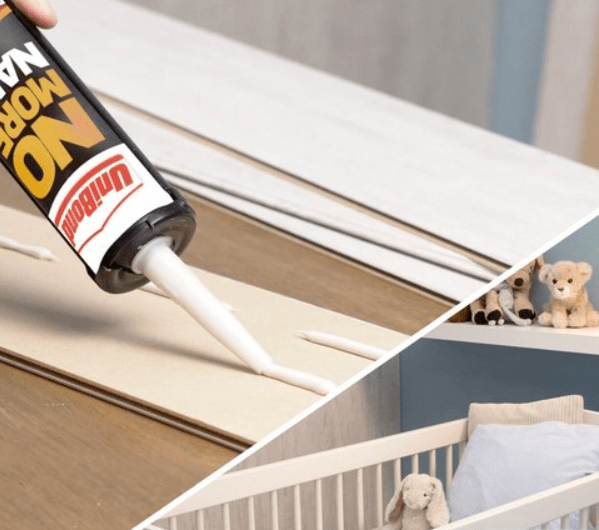
So, is no more nail better than wood glue? Yes, for heavy-duty fixing on uneven or non-porous surfaces. No More Nail is a high grab adhesive that cures into a flexible bond without clamps. Wood glue creates a rigid bond, but it needs clamp pressure, clean timber faces, and time to set. This guide compares both from a contractor’s point of view so you pick the right product on site.
Why Contractors Choose No More Nail Over Wood Glue
Wood glue works well for joining two clean, porous timber surfaces. It penetrates the grain and forms a strong, rigid joint once clamped. However, it struggles with plaster, painted walls, metal brackets, and uneven substrates. No More Nail fills small gaps, grabs instantly, and bonds to surfaces that wood glue cannot grip. It is formulated as a high grab adhesive, so it performs differently from PVA wood glue.
On commercial fit-outs, time is money. Teams reach for a no more nail high grab adhesive when speed matters. It removes the need for clamps, braces, and overnight drying, so labour hours drop.
Where No More Nail Outperforms Wood Glue
- Wall panels and skirting boards — bonds to painted plaster, MDF, and timber without nails or clamps.
- Heavy fixtures and brackets — holds load-bearing items where screws are not an option.
- Uneven or non-porous surfaces — gap-filling formula grips brick, tile, metal, and laminated boards.
- Fast-track installs — initial grab lets crews move on quickly without waiting for a full cure.
How to Apply No More Nail for Timber and Panels
- Clean the surface. Remove dust, grease, and loose paint.
- Cut the nozzle to the bead size you need.
- Apply a zigzag bead or vertical dabs across the back of the item.
- Press the workpiece firmly into place for 10–20 seconds.
- Use temporary tape or supports only on heavy items, then remove after 24 hours.
For outdoor timber, seal exposed edges with a general purpose silicone sealant after the adhesive has cured. This stops water working behind the bond line.
Bond Strength and Durability Comparison
| Factor | No More Nail | Wood Glue |
|---|---|---|
| Best surface | Most building materials | Clean, porous timber |
| Clamping | Usually not needed | Required |
| Gap filling | Yes | No |
| Flexibility | Flexible | Rigid |
| Water resistance | High (check grade) | Moderate to low |
For pure timber joinery inside a workshop, wood glue still wins on cost and clean finish. For site fixing, mounting, and panels, no more nail is the faster, more versatile choice.
Removal and Rework Tips
If you need to remove a no more nail bond, cut through the bead with a sharp blade and lever the part away. Clean residue with a commercial adhesive remover or white spirit before the surface fully cures. Test any solvent on a hidden area first to avoid damaging paint or varnish.
Wood glue joints are harder to separate without breaking the timber. That makes no more nail the right option for temporary fixtures, display boards, and rental fit-outs.
Final Word
Is no more nail better than wood glue? For site fixing, uneven substrates, and fast installation, it is. Wood glue remains the right choice for clean timber joints in controlled conditions. Match the adhesive to the job, and you get a bond that lasts without wasting labour.
Related Products
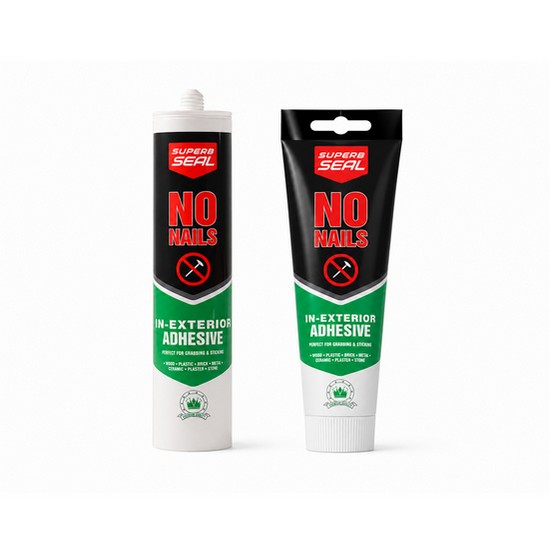 No More Nail High Grab Adhesive |
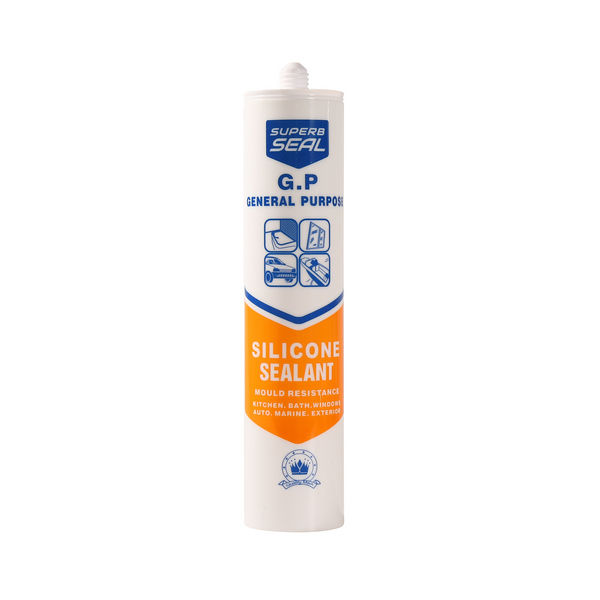 General Purpose Silicone Sealant |