
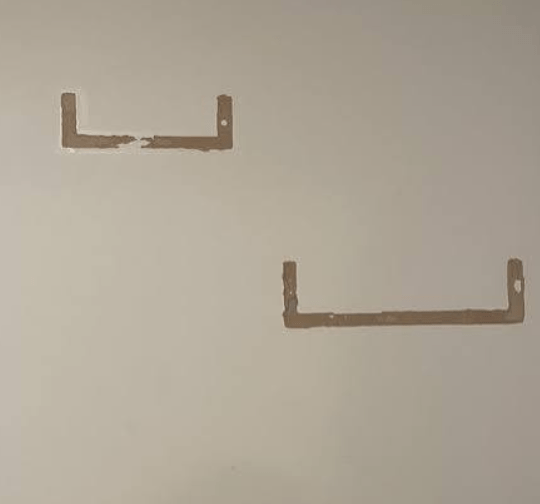
So, does No More Nails damage walls? Not when you apply it correctly on sound substrates. No More Nails is a high grab adhesive. It cures without aggressive solvents and bonds to the surface, not into it. Damage shows up in two scenarios: removal from weak substrates, and application over failing paint or chalky drywall. This guide covers both, with field-tested steps from 15 years on commercial fit-out sites.
Why Contractors Choose Mastic Over Tape
Mastic wins on heavy and porous materials. Double-sided tape needs a perfectly clean, flat surface and gives up on dust, moisture, or texture. A high grab adhesive fills minor gaps and keeps contact across the full bond area. That difference decides whether a 20 kg panel stays up for ten years — or lands on the floor overnight.
- Load: quality no more nails formulations hold 15–30 kg per metre of bead on solid substrates (confirm against the TDS).
- Substrates: masonry, painted drywall, tile, wood, and metal all accept acrylic mastic.
- Speed: instant grab cuts bracing and clamp time on site.
- Weather: exterior grades resist moisture and UV where tape peels.
Where It Works — and Where It Will Fail
No more nails performs on:
- Skirting boards and architraves
- Wall panels, PVC trim, and coving
- Signage and lightweight decorative fixtures
- Foamboard and insulation-backed panels
Walk away from these substrates:
- Fresh or uncured plaster — moisture breaks the bond.
- Crumbling drywall paper — the adhesive holds; the paper does not.
- Wallpaper or low-quality paint — the surface becomes the weak link.
- Damp exteriors — seal and dry the substrate first.
Step-by-Step: Apply It Without Risk
- Test the surface. Press tape hard onto the paint. If flakes come off, that paint will fail under load.
- Clean it. Wipe with isopropyl alcohol and let the surface dry fully.
- Lay vertical beads. A vertical zig-zag lets air escape and spreads the load evenly.
- Press and hold. Firm pressure for 30 seconds sets the initial grab.
- Support heavy items. Follow the TDS cure time — typically 24–48 hours to full strength.
Safe Removal Without Tearing the Wall
Removal drives most “damage” complaints. Pull a bonded item straight off drywall and the paper face comes with it. Work smart instead:
- Cut first. Run a flexible blade or piano wire through the bead.
- Heat gently. A heat gun on low softens acrylic mastic for clean separation.
- Roll residue off. Rub leftover bead with your thumb or a soft eraser — never a scraper.
- Prime before repaint. Fill ghost marks with fine filler, then spot-prime.
Spec Check: Compliance Before You Buy in Bulk
B2B buyers should verify documents before committing volume:
- TDS and SDS for every product batch
- ASTM C557 gypsum board adhesive performance on US projects
- UL listing or UL 723 surface-burning data where fire spec applies
- VOC compliance with regional rules such as SCAQMD Rule 1168
STC’s No More Nails high grab adhesive ships with full documentation. Request it with your quotation, and check batch numbers against the delivery.
The Bottom Line
No More Nails damages walls only when installers skip the substrate check or force removal. Test, clean, bead, press, support. Do that, and no more nails beats mechanical fixings — no holes, no filling, no repaint. For adjacent sealing work, pair it with a general purpose silicone sealant and you cover the full finish in one visit.
Related Products
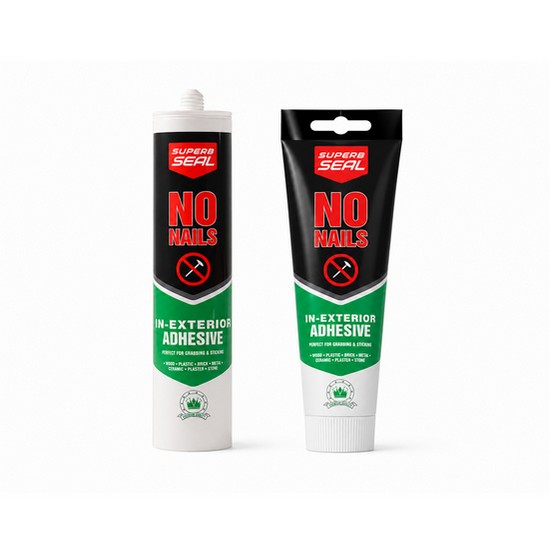 No More Nails High Grab Adhesive |
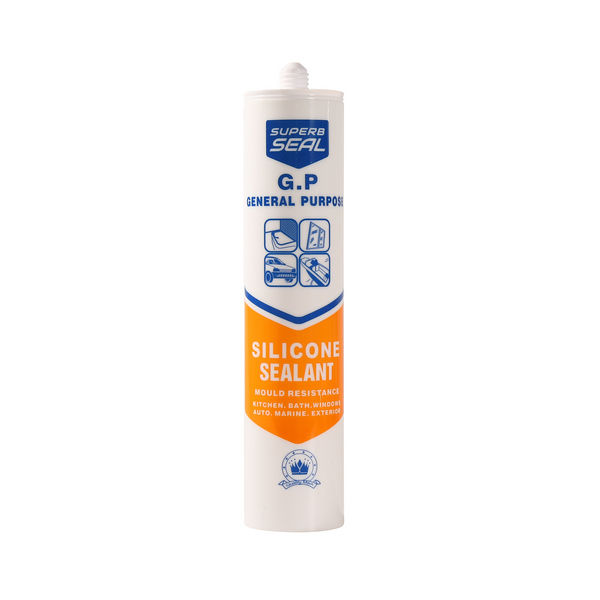 General Purpose Silicone Sealant |