
What Surfaces Do No More Nails Work On?
No More Nails is a construction adhesive. Contractors use it to bond materials without screws, nails, or clips. It works on a wide range of surfaces, but performance depends on porosity, cleanliness, and the specific formula. This article lists the surfaces that bond best, the ones that need prep, and the few you should avoid.
Substrates That Bond Best With No More Nails
Porous Materials: Wood, Concrete, and Brick
Wood bonds well because the adhesive penetrates the grain. Concrete and brick accept construction adhesives if the surface is clean and dry. Dust is the enemy. Brush or vacuum the surface before application. For exterior brick, choose a weatherproof formula. Our MS Polymer Sealant works on porous masonry in wet climates.
Non-Porous Surfaces: Metal, Glass, Ceramic Tile, and Stone
These surfaces do not absorb adhesive. The bond forms on the surface itself. Clean the substrate with isopropyl alcohol to remove oil and fingerprints. Roughen smooth metal with fine grit paper for better mechanical grip. For heavy stone panels, pair the adhesive with a Marble Glue rated for the panel weight.
Foam and Insulation Boards
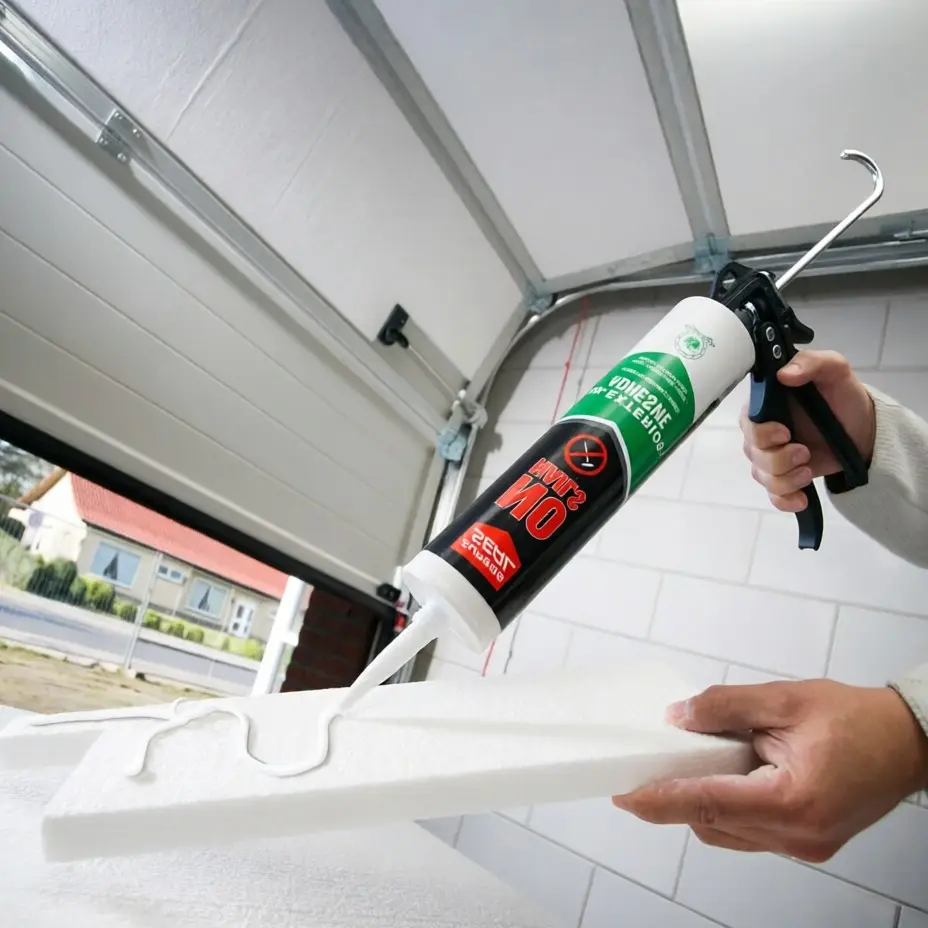
EPE, XPS, EPS, and polyurethane foam boards bond quickly with no more nails adhesives. The lightweight substrate does not fight the adhesive. Apply beads or zigzag lines across the board. Press the panel in place and support it until the initial tack sets. Do not use solvent-based adhesives on polystyrene foam. Solvents attack the board and weaken the bond.
Surfaces to Avoid or Prime First
No more nails adhesives struggle on wet, greasy, or dusty surfaces. They also perform poorly on polyethylene, polypropylene, PTFE, and silicone-coated materials. These surfaces have low surface energy. If you must bond them, use a specialty primer or switch to a construction adhesive formulated for low-energy plastics. Always test a small area before full installation.
Bottom Line
No more nails adhesives work on wood, concrete, brick, metal, glass, tile, stone, and most insulation boards. The key is surface prep. Clean the surface, control the adhesive film thickness, and allow full cure. Match the formula to the environment. For demanding jobs, choose a heavy-duty Unibond No More Nails style adhesive that publishes bond strength data.